About SISAL FIBRES
We supply top quality natural raw Sisal Fiber/Sisal fibre, UG Grade
Specifications Grade UG
100% Natural Sisal Fiber
Material: Sisal
Grade A
Length: 110CM-130CM
Moisture: 10%---13%
Impurity: 0---3%
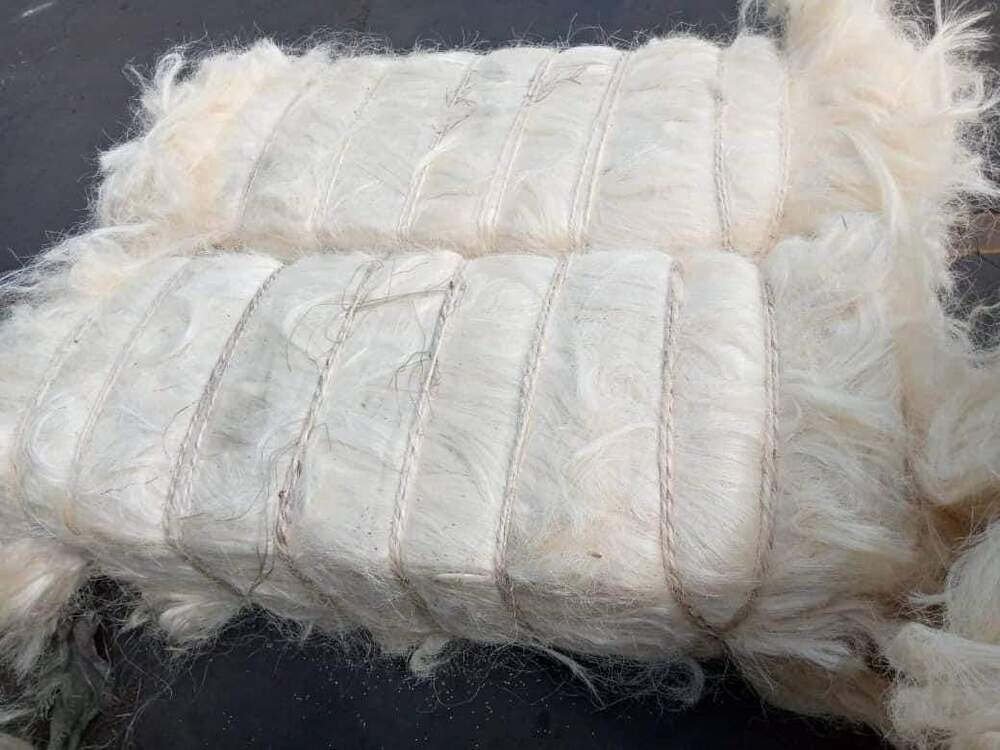
Color: Natural white or mixed with natural cream
Details of Sisal Fiber UG Grade:
Length: 110CM-130CM with a tolerance of 20%.
Moisture: 10%---13%
Impurity: 0---3%
Classification per Grade:
TYPE 1 - Colour whitish/soft cream, well brushed, humidity maximum 14% without knots.
TYPE 2 - Colour cream/yellowish, well brushed, humidity maximum 14% without knots.
TYPE 3 - Colour cream/yellowish, well brushed, humidity maximum 14%, without knots.
REFUGOS (REJECT) - Colour brownish/green, humidity maximum 14%, presence of knots and high percentage of impurities.
BUCHA (TOW) - Colour yellowish/brownish, humidity maximum 14%, presence of knots and a very high level of dust.
We offer the best lowest possible prices CIF and FOB. Also noted are our low shipment prices because with our experience we sign long term contracts with shipping companies with discounts, All is for the best supplies to our customers.
Contact for more details.
Natural Durability and SustainabilityThese raw, unspun sisal fibres offer a combination of high tensile strength and durability while remaining 100% biodegradable and renewable. Their coarse texture and natural, cream-to-pale-yellow appearance make them favorable for a range of eco-conscious uses. The product fits well into sustainable operations, aligning with global trends toward eco-friendly materials.
Versatile Industrial ApplicationsSisal fibres processed through decortication and brushing are highly valued for cordage, matting, rope, twine, paper-making, and geotextiles. The products strength and moisture resistance provide reliability across different construction and manufacturing sectors, making it a preferred material for distributors, exporters, and manufacturers worldwide.
Safe Storage and Handling InstructionsProper storage is essential to preserve the natural qualities of sisal fibres. Store bales in a dry area, away from direct sunlight and humidity, to prevent deterioration. If cleaning is necessary, simply wipe the fibres using a dry cloth. These simple instructions help maintain the products integrity and extend its usable lifespan.
FAQs of SISAL FIBRES:
Q: How should sisal fibres be stored to maintain their quality?
A: Sisal fibres should be kept in a dry location away from moisture and direct sunlight. Compressed bales must be protected from humidity to prevent mold growth and fiber degradation. If cleaning is needed, simply use a dry cloth to wipe off dirt.
Q: What makes these sisal fibres suitable for all-season applications?
A: Due to their high tensile strength, resistance to moisture, and durability, these sisal fibres perform reliably throughout the year in various environmental conditions. Their natural resilience makes them ideal for both indoor and outdoor projects, regardless of season.
Q: When are these sisal fibres typically used in manufacturing or construction?
A: These fibres are utilized whenever strong, durable, and biodegradable material is needed, especially in the production of cordage, rope, matting, paper, twine, and geotextiles. Their application spans across agriculture, packaging, construction, and crafts.
Q: Where are these sisal fibres sourced from, and why is this location important?
A: Sisal fibres are sourced from Tanzania, a region renowned for its premium quality sisal crops. The favorable climate and established cultivation techniques in Tanzania contribute to fibres with consistent texture, strength, and color.
Q: What are the ecological benefits of using sisal fibres?
A: Sisal fibres are completely biodegradable and renewable, offering an environmentally friendly alternative to synthetic fibres. Their natural decomposition process reduces long-term waste and environmental impact, supporting sustainable production and consumption.
Q: How are the sisal fibres processed before packaging?
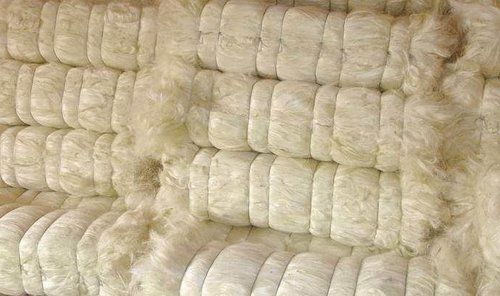
A: The fibres undergo decortication and brushing, processes that separate and clean them while maintaining straight, natural properties. After processing, the loose fibres are packed into compressed bales for easy handling, transport, and storage.
Q: What industries or applications benefit most from these sisal fibres?
A: Industries involved in making cordage, matting, geotextiles, rope, twine, and speciality papers benefit significantly from sisal fibres due to their strength, durability, and natural resistance to moisture. They are also favored by eco-friendly brands and manufacturers focused on biodegradable materials.




 Send Inquiry

 Send Inquiry