About Sisal Fibre
We supply the best UG grade A sisal fiber you can ever find in the market.
sisal fiber: UG Grade A
Length: 110cm-130cmMoisture: 10%-13%Impurity: 0-2% max
Color: cream white cream, Brown .
Loading: 20ft Container (14MT) and 40ft Container (28MT)
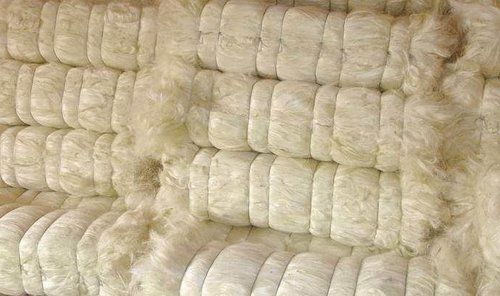
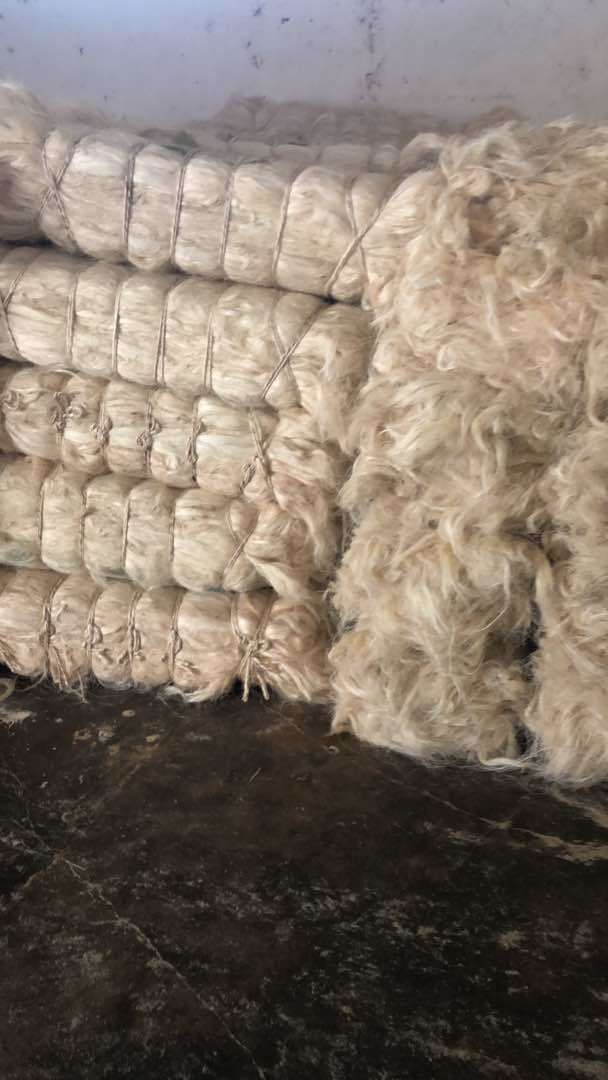
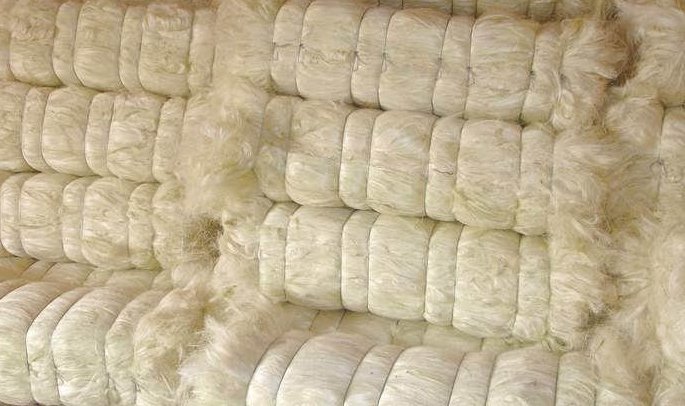
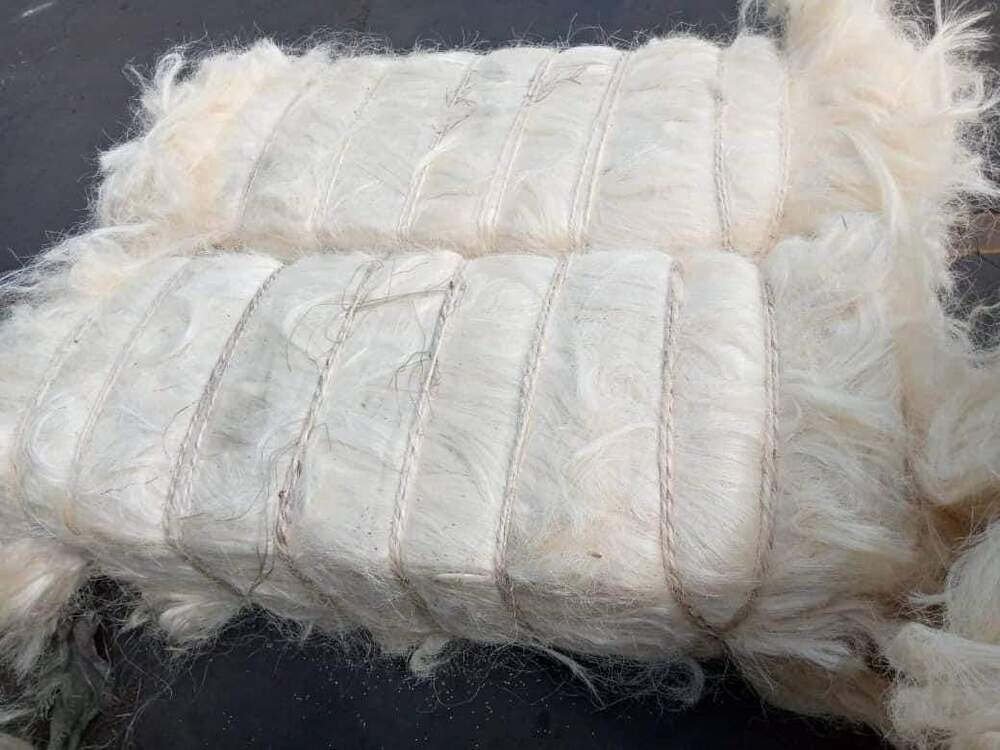
Packing: - Tightly Strapped of 100 kg, 280 bales per 20ft or 40ft container or as customer request Dimension per bundle: length 130cm, width 52cm, height 31-36cm, volume 0.202-0.253m3.
Quality Sisal Fibre from TanzaniaOur sisal fiber is meticulously processed using retting, decortication, and combing to ensure premium quality. Committed to export standards, the fiber presents minimal impurities and controlled moisture content, making it highly reliable and environmentally friendly. Each bale is securely jute-wrapped to maintain integrity during transit and storage.
Versatile Applications and DurabilityDesigned for versatility, this raw sisal fiber is the preferred choice for rope making, twine, crafts, carpets, matting, and various industrial applications. Its natural high tensile strength and moisture absorbing properties ensure long-lasting performance in a wide range of environments.
Eco-Friendly and Sustainable SelectionSisal is 100% biodegradable and renewable, making it a sustainable alternative for industries seeking robust yet environmentally conscious materials. Whether for large-scale manufacturing or creative projects, this sisal fiber supports eco-friendly initiatives without compromising strength or versatility.
FAQ's of Sisal Fibre:
Q: How should sisal fiber be stored to maintain quality?
A: Sisal fiber should be stored in a dry environment and away from prolonged moisture exposure. This helps maintain its strength, color, and durability. Combing the fiber before use is recommended for optimal quality.
Q: What are the main industrial and domestic uses of this sisal fiber?
A: This sisal fiber is widely used in rope making, twine, carpet manufacturing, matting, various crafts, and a range of industrial applications due to its strength and moisture absorbency.
Q: When is the recommended season for using sisal fiber?
A: Sisal fiber is suitable for use in all seasons, thanks to its durability and adaptability to different environmental conditions.
Q: Where is your sisal fiber sourced and processed?
A: Our sisal fiber is sourced, processed, and distributed from Tanzania, a region known for high-quality sisal production through traditional retting and decortication techniques.
Q: What processes are used to produce this raw sisal fiber?
A: The production involves retting to loosen the fibers, decortication to strip them from the leaves, and combing to ensure straight, high-quality strands suitable for various applications.
Q: How does sisal fiber benefit the environment?
A: Sisal fiber is 100% natural and biodegradable, making it eco-friendly. It decomposes naturally after use, reducing environmental impact compared to synthetic fibers.
Q: What makes this sisal fiber suitable for export markets?
A: With low moisture and impurity content, high tensile strength, and careful packaging in jute-wrapped bales, this sisal fiber reliably meets export-quality standards demanded worldwide.




 Send Inquiry

 Send Inquiry