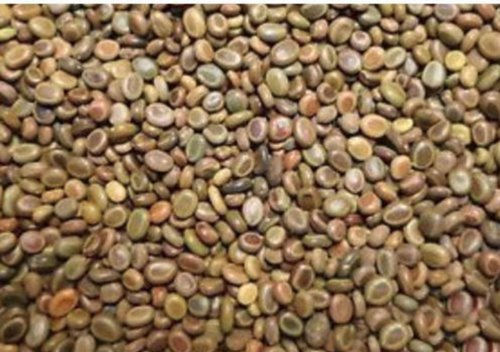
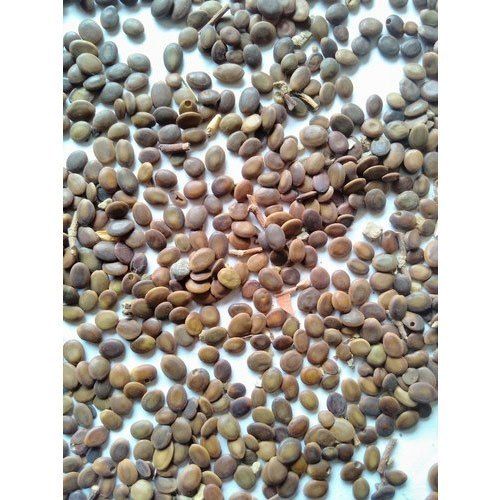
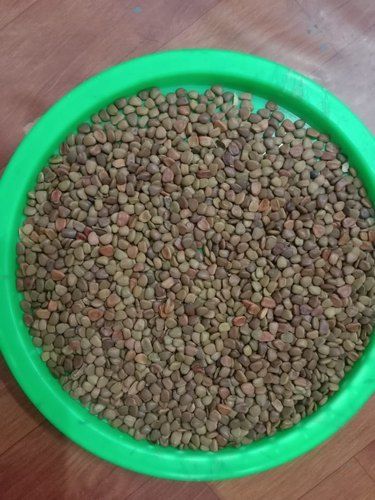
About Kher Seed For Germination
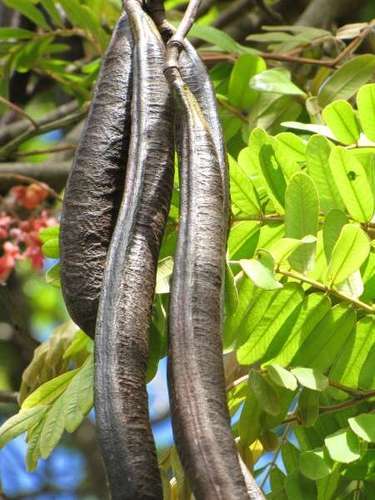
Kher Seed arangali, Kodalimurunkai, Lal Khair, Lal Khair, Rat Kihiriya, Sundra, Sadra, Karugali, Karamgali, Kachu, Kaggli, Karnali, Khadirah, Red Cutch are some of the other names used for the Khair tree.It is the moderate size deciduous tree. It has rough bark which is dark gray brown in colour. It grows up to the height of 15 meter. The leave are 8 -10 cm long. It has short curved stipular spines and rough grayish brown bark. The flowers are pale yellow in colour. They start appearing in the month of June -August. Fruits ripen in January to March and remain in the tree for long. The young parts are dark brown to purple in colour. The tree has tough texture from outside.High-Quality Kher Seeds for Consistent GerminationThese Kher seeds are sourced, processed, and packed to ensure high purity and viability, making them a trusted choice for agricultural projects. Strict quality control guarantees germination rates above 90%, reducing seed wastage and ensuring healthy crop growth. The non-GMO, organic quality appeals to environmentally conscious growers.
Optimal Growing Conditions and ApplicationKher Seed For Germination thrives in well-drained, neutral pH soils under tropical and subtropical climates. The recommended agricultural application ensures successful crop establishment, with a typical harvest period of 3 to 4 months. These seeds are ideal for commercial cultivation, distributed in India for various users including traders, exporters, and growers.
Packaging and Storage for Maximum FreshnessPacked in protective plastic bags to preserve freshness and quality, Kher seeds remain viable for up to 12 months when stored in cool, dry environments. Detailed storage and usage instructions are provided to maintain seed quality, ensuring farmers and distributors receive high-performance planting material.
FAQ's of Kher Seed For Germination:
Q: How should Kher Seed For Germination be sown for best results?
A: Kher seeds should be sown in well-drained soil with neutral pH levels, typical of tropical or subtropical regions. It's recommended to prepare the soil finely and maintain moderate moisture, ensuring seeds are not buried too deep, to achieve optimal germination.
Q: What is the typical process for cultivating Kher seeds?
A: Begin by selecting a site with well-drained, neutral soil. Sow the seeds evenly and cover them lightly with soil. Water gently to keep the soil moist but not waterlogged. Under suitable conditions, plants typically mature and are ready for harvest within 3 to 4 months.
Q: When is the optimal time to harvest crops sown with Kher seeds?
A: Harvesting is generally done 3 to 4 months after sowing, once the plants reach the desired growth stage, ensuring the best quality and yield.
Q: Where are Kher seeds best cultivated?
A: Kher Seed For Germination is best cultivated in tropical and subtropical climates, specifically where soils are well-drained and maintain neutral pH for robust crop development.
Q: What are the benefits of using this particular Kher seed variety?
A: This seed variety boasts over 90% viability and a high germination rate, is non-GMO, organic, and has a 98% purity level. Cultivators benefit from a reliable, disease-resistant crop with high yields and efficient growth.
Q: How should Kher seeds be stored before planting?
A: Store Kher seeds in a cool, dry place in their original plastic packaging to maintain viability for up to 12 months. Avoid areas with excessive moisture or direct sunlight, as these can reduce seed quality.
Q: What is the minimum order quantity and packaging for Kher Seed For Germination?
A: The minimum order quantity is 10 kg, and seeds are securely packed in plastic bags tailored to customer requirements, facilitating transport and maintaining product integrity.




 Send Inquiry

 Send Inquiry