About Gliricidia Sepium
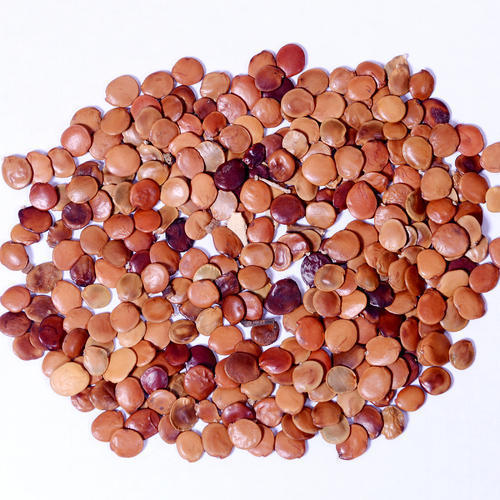
Gliricidia Sepium, Packaging Type: Bag, 50-100 Kg
Gliricidia Sepium is a deciduous Shrub growing to 10 m (32ft) by 8 m (26ft) at a fast rate.
It is hardy to zone (UK) 10 and is frost tender. The flowers are pollinated by Bees, Insects. The plant is not self-fertile.
It can fix Nitrogen.
Suitable for: light (sandy), medium (loamy) and heavy (clay) soils and prefers well-drained soil. Suitable pH: acid, neutral and basic (alkaline) soils and can grow in saline soils.
It cannot grow in the shade. It prefers moist soil and can tolerate drought. The plant can tolerates strong winds but not maritime exposure.
Diverse Agricultural ApplicationsGliricidia sepium excels as a multi-purpose plant for farmers and landowners. Its uses range from fodder for livestock to green manure for enriching soil. The tree's foliage provides nutritious feed, while its nitrogen-fixing roots boost soil fertility, enhancing productivity in orchards, fields, and mixed-cropping systems.
Sustainable and Low-MaintenanceWith high pest resistance and tolerance to drought once mature, Gliricidia sepium requires minimal care. It grows well in a variety of well-drained soils, making it suitable for marginal lands. This plant offers sustainable benefits such as living fences, natural shade, and abundant firewood, all with little environmental impact.
Ideal for Agroforestry and Soil HealthGliricidia sepium is particularly valuable in agroforestry systems. By incorporating it as a shade or intercropping species, farmers improve soil structure and fertility naturally. Its deep roots and capacity to fix atmospheric nitrogen result in healthier soils, reducing reliance on synthetic fertilizers and boosting long-term land productivity.
FAQ's of Gliricidia Sepium:
Q: How do I propagate Gliricidia sepium plants?
A: Gliricidia sepium can be propagated either by seeds or stem cuttings. Seeds should be soaked overnight before sowing for better germination, while stem cuttings, typically 1-2 meters long, can be directly planted in well-prepared soil.
Q: What are the main uses of Gliricidia sepium in agriculture?
A: Gliricidia sepium serves multiple purposes, including livestock fodder, green manure for soil enrichment, shade for crops or livestock, production of firewood, and as living fences that can also deter pests.
Q: When is the best time to plant Gliricidia sepium?
A: The ideal planting period is at the onset of the rainy season, allowing the roots to establish well. However, in tropical and subtropical climates, Gliricidia sepium may be planted year-round if irrigation is available.
Q: Where does Gliricidia sepium grow best?
A: Gliricidia sepium thrives in tropical and subtropical regions, particularly in well-drained soils. It tolerates poor and degraded soils and grows optimally in areas receiving moderate rainfall.
Q: What is the process for using Gliricidia sepium as green manure?
A: To use Gliricidia sepium as green manure, prune the branches and incorporate the leafy biomass into the topsoil. This process enriches the soil with organic matter and nitrogen, thus promoting crop growth.
Q: How does Gliricidia sepium benefit soil health?
A: Through strong nitrogen fixation, Gliricidia sepium enhances soil fertility by converting atmospheric nitrogen into usable forms. Its deep roots also improve soil structure, reduce erosion, and support long-term land productivity.
Q: Is Gliricidia sepium suitable for drought-prone areas?
A: Yes, once established, Gliricidia sepium is drought-tolerant. Its deep rooting system enables access to subsoil moisture, making it well-suited for arid and semi-arid locations.